The liberty cap mushroom, Psilocybe semilanceata, is the most famous wild magic mushroom in Europe. It grows in fields and pastures from Ireland and the United Kingdom to Scandinavia, the Alps and beyond. This guide explains what the liberty cap looks like, where it grows, how strong it is, which dangerous lookalikes exist, and what the law says.
This article is for general information only. Picking or possessing psilocybin mushrooms is illegal in many countries, and misidentifying wild mushrooms can be fatal.
What Is the Liberty Cap Mushroom?
The liberty cap is a small, wild mushroom that contains psilocybin. Its name comes from its pointed cap, which looks like the Phrygian or "liberty" cap, a soft conical hat that became a symbol of freedom during the French Revolution.
Unlike Psilocybe cubensis, which grows mainly in warm climates and is widely cultivated, the liberty cap is very hard to grow indoors. As a result, almost all liberty caps are found in the wild.
What Does a Liberty Cap Mushroom Look Like?
The description below is for general interest only. It is not a field identification guide, and you should never eat a wild mushroom based on a description or photo.
Mycology references usually describe the following features:
- Cap: small, about 5 to 25 mm wide, conical or bell-shaped, often with a distinct pointed tip (a "nipple" or papilla).
- Color: chestnut to olive-brown when wet, drying to a pale yellow-tan. The cap can also show faint lines at the edge when damp.
- Stem: thin, wavy and pale, often 5 to 10 cm long.
- Gills: pale at first, turning dark purple-brown as the spores mature.
- Bruising: the base of the stem may show a bluish tint, although this is not always visible.
However, none of these features alone is enough for a safe identification. Many small brown mushrooms look very similar, so experts often check the spore print color and use a microscope as well.
Habitat and Season
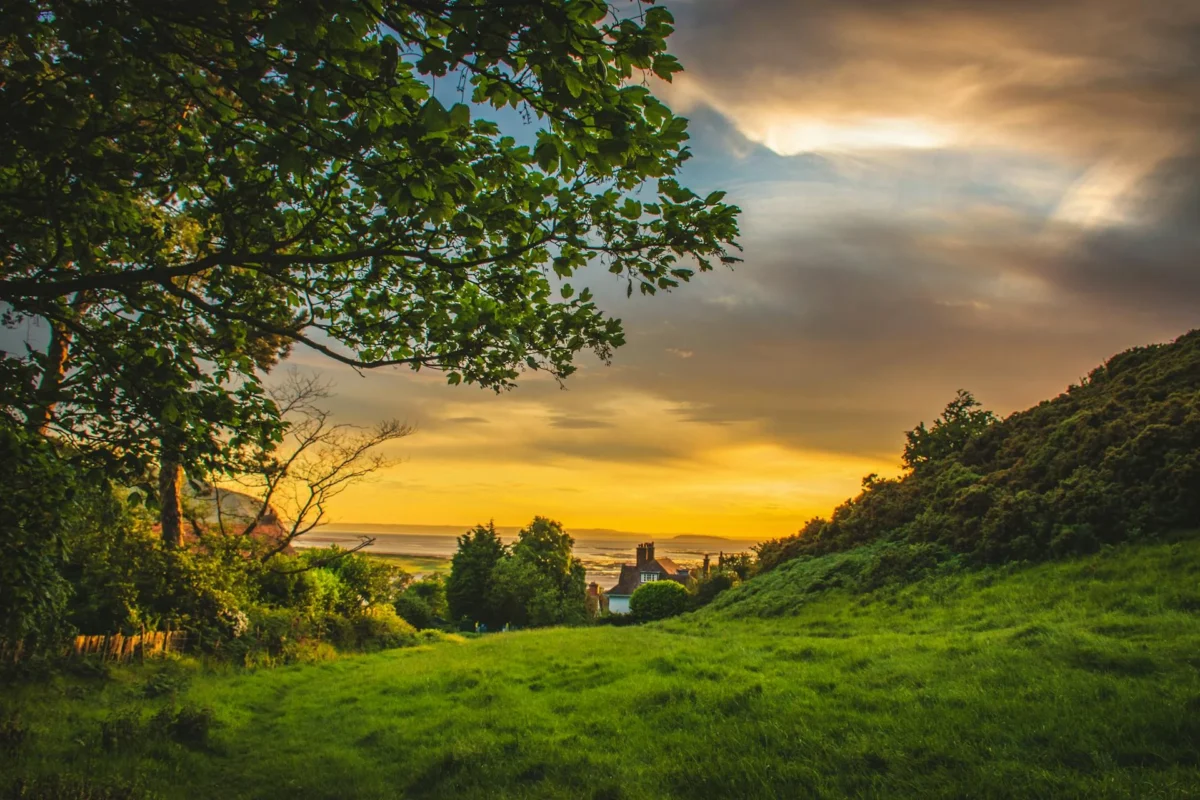
The liberty cap grows in grassy places such as pastures, meadows, parks and playing fields, especially where sheep or cattle graze. It does not grow directly on dung. Instead, it feeds on decaying grass roots in the soil.
In Europe, the main season runs from late summer to early winter, usually peaking in September and October after cool, wet weather. The species is common in the United Kingdom, Ireland, the Netherlands, Germany, Scandinavia and the Alpine region. It also grows in parts of North America, New Zealand, Australia and Chile.
Potency: How Strong Are They?
Liberty caps are small, but they are often considered more potent per gram than many cubensis varieties. On the other hand, potency varies widely between individual mushrooms, locations and seasons. Because wild mushrooms are not tested, people cannot know exactly how much psilocybin a handful contains.
This uncertainty is one of the main risks of wild mushrooms. To understand how potency affects dosing, read our magic mushroom dosage guide. You can also compare the liberty cap with other species in our overview of the best magic mushroom strains.
Dangerous Liberty Cap Lookalikes
Several mushrooms that grow in the same habitat look similar to the liberty cap mushroom. Some of them are harmless, but others are seriously toxic.
- Inocybe species (fibercaps): some contain muscarine, which can cause sweating, vomiting, blurred vision and, in severe cases, dangerous drops in heart rate.
- Conocybe species (conecaps): a few contain the same deadly toxins found in the death cap, which can destroy the liver.
- Galerina species: usually grow on wood or moss, but some contain deadly amatoxins too.
- Panaeolina foenisecii (the lawn mower's mushroom): very common on lawns, generally considered harmless, but often confused with liberty caps.
Mushroom poisoning symptoms can appear many hours after eating, when serious organ damage may already be under way. Therefore, if anyone feels unwell after eating a wild mushroom, seek medical help immediately. In Europe, call 112, and bring a sample of the mushroom if possible.
Is the Liberty Cap Mushroom Legal?
In most European countries, picking, possessing or selling liberty caps is illegal, whether fresh or dried. For example, the United Kingdom has explicitly controlled fresh magic mushrooms since 2005, and the Netherlands banned them in 2008, although magic truffles remain legal to sell there. In some countries, simply picking them in a field can lead to criminal charges. The European Union Drugs Agency also publishes a profile of hallucinogenic mushrooms in Europe. For a country-by-country overview, read our guide to psilocybin legality in Europe and around the world.
A Short History
The liberty cap has been known to scientists since the 19th century. Nevertheless, researchers only confirmed in the 1960s that it contains psilocybin, and its effects became widely known in Europe during the 1970s. Since then, it has become part of European folk culture, especially in the United Kingdom and Ireland, where autumn "mushroom hunts" were once common. Learn more in our history of magic mushrooms.
Liberty Cap Mushroom FAQ
Is it stronger than Psilocybe cubensis?
It is often considered stronger per gram of dried mushroom. Still, potency varies a lot in both species, so there is no fixed rule.
Can you grow them at home?
Liberty caps are very difficult to cultivate, and growing them is illegal in many countries. Almost all liberty caps are wild.
What should I do if I think someone ate a poisonous lookalike?
Call emergency services or a poison center right away, even if symptoms seem mild. In Europe, the emergency number is 112.
Conclusion: Respect the Liberty Cap Mushroom
The liberty cap mushroom is Europe's best-known native psilocybin species. It grows in grassy fields across much of the continent each autumn, and it is often more potent than it looks. However, it has toxic lookalikes, its potency is unpredictable, and it is illegal in most European countries. If you are curious, learn about it from reliable sources, never eat a wild mushroom you cannot identify with certainty, and always follow the law where you live.