
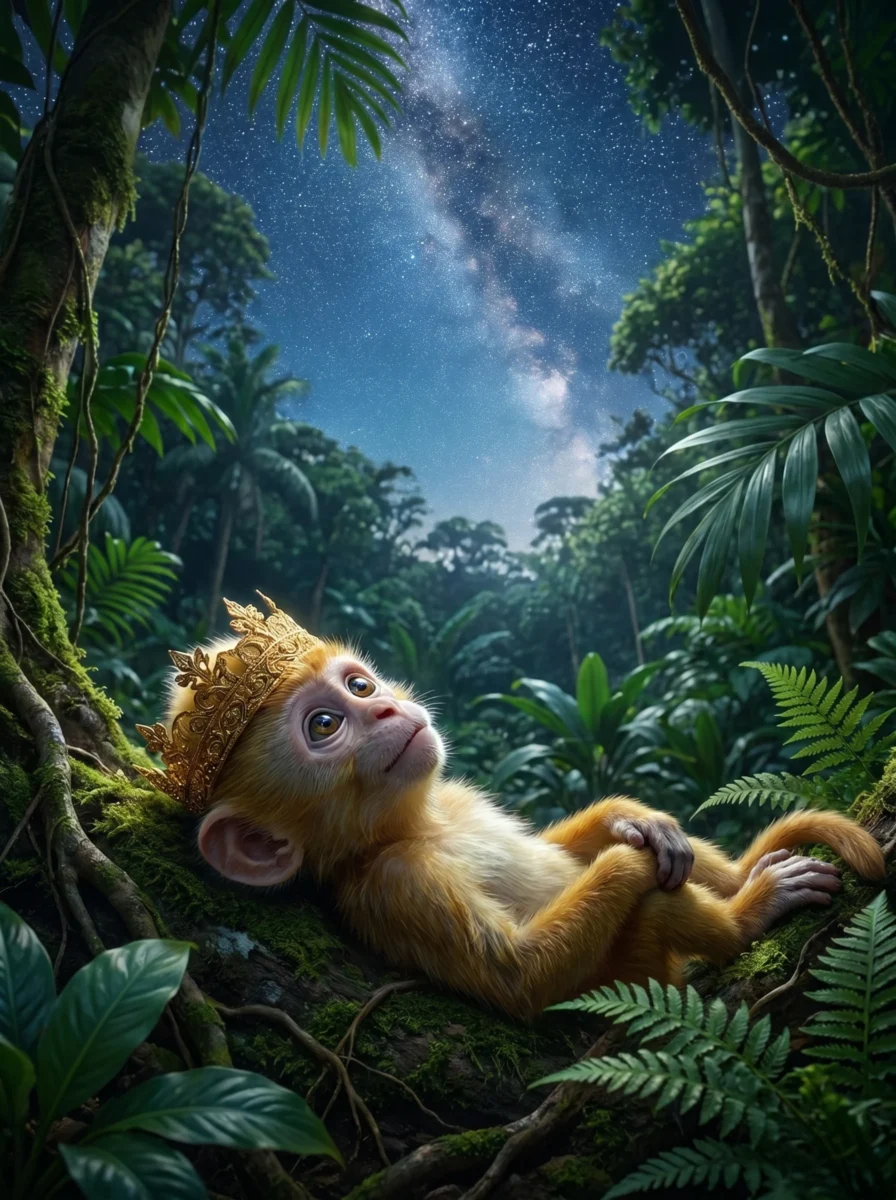
Artists, musicians and writers have long claimed that psychedelics helped them see the world differently. But does psilocybin really boost creativity, or is that just a myth? This article looks at what scientific studies, including important research from the Netherlands, say about psilocybin and creativity, including microdosing for creativity, and why the answer is more complicated than many people expect.
This article is for general information only. It does not encourage drug use, and psilocybin is illegal in many countries.
Why People Link Psilocybin and Creativity
The idea is not new. In the 1960s, psychedelic art, music and literature flourished, and many creative people described psychedelic experiences as turning points. Today, some people microdose in the hope of thinking more freely at work or in the studio. Our page of psychedelic artwork shows how this culture still inspires visual art.
However, personal stories are not proof. Creativity is hard to measure, and people who expect a boost may simply feel more creative. That is why controlled studies matter.
What Is Creativity, Scientifically?
Psychologists usually split creativity into two main types:
- Divergent thinking: coming up with many different ideas, such as listing unusual uses for a brick.
- Convergent thinking: finding the single best solution to a problem.
Researchers also distinguish between spontaneous creativity, such as sudden insights, and deliberate creativity, such as focused work on a task. As we will see, psilocybin may affect these in different ways.
Key Studies on Psilocybin and Creativity
Maastricht: A Placebo-Controlled Study
The most rigorous study so far comes from Maastricht University in the Netherlands [1]. In a double-blind, placebo-controlled trial, healthy volunteers received either a moderate dose of psilocybin or a placebo. The results were mixed. During the acute effects, people rated their spontaneous creative insights higher, but they actually performed worse on deliberate creativity tasks. Interestingly, seven days later, the psilocybin group came up with more novel ideas. Brain scans linked these effects to changes in the default mode network, which our guide to psilocybin and the brain explains.
Leiden: Microdosing for Creativity
Earlier, a team led by Leiden University tested people at a microdosing event in the Netherlands, where participants used magic truffles [2]. Their scores on some creative thinking tasks improved after a microdose. However, the study had no placebo group, and participants knew what they had taken.
Imperial: The Placebo Problem
Expectations are a major issue. A large "self-blinding" study by researchers at Imperial College London asked microdosers to take either real microdoses or placebos without knowing which [3]. Overall, people in both groups reported similar improvements in well-being. Although that study focused mainly on mood rather than creativity, it shows how strongly expectations can shape self-reported benefits.
So Does Psilocybin Boost Creativity?
Based on the evidence so far, the honest answer is "maybe, in some ways." Psilocybin seems to make people feel more creative and may encourage new perspectives or ideas afterward. Yet during the experience itself, focused creative work often becomes harder, not easier. In addition, microdosing studies have not clearly shown benefits beyond the placebo effect.
Put simply, the link between psilocybin and creativity is real enough to study, but not strong enough to promise results. Learn more about small doses in our guide to microdosing magic mushrooms.
Risks to Keep in Mind
Even in a creative context, psilocybin carries risks. It can cause anxiety, confusion and impaired judgment, and it is not suitable for people with a personal or family history of psychosis or bipolar disorder. Never drive or use dangerous tools while under the influence. For practical safety tips, read our guides to set and setting and handling a bad trip.
Frequently Asked Questions
Does microdosing make you more creative?
Some small studies suggest possible effects, but placebo-controlled research has not confirmed a clear benefit. Expectations seem to play a large role.
Why do people feel more creative on psilocybin?
Psilocybin changes how brain networks communicate, which may encourage unusual associations and a sense of insight. However, feeling creative and performing creatively are not always the same.
Can psilocybin cure a creative block?
There is no scientific evidence that it reliably does. Rest, new experiences and time are safer ways to find fresh inspiration.
Conclusion: Psilocybin and Creativity Need More Research
The story of psilocybin and creativity is more nuanced than the myths suggest. Research from Maastricht shows that psilocybin may change how people think creatively, sometimes for the better and sometimes for the worse, while microdosing studies struggle to separate real effects from expectations. As research continues in Europe and elsewhere, stay curious, rely on evidence, and always follow the law where you live.
Sources
- Mason NL, et al. Spontaneous and deliberate creative cognition during and after psilocybin exposure. Translational Psychiatry. 2021. doi:10.1038/s41398-021-01335-5
- Prochazkova L, et al. Exploring the effect of microdosing psychedelics on creativity in an open-label natural setting. Psychopharmacology. 2018. doi:10.1007/s00213-018-5049-7
- Szigeti B, et al. Self-blinding citizen science to explore psychedelic microdosing. eLife. 2021. doi:10.7554/eLife.62878